
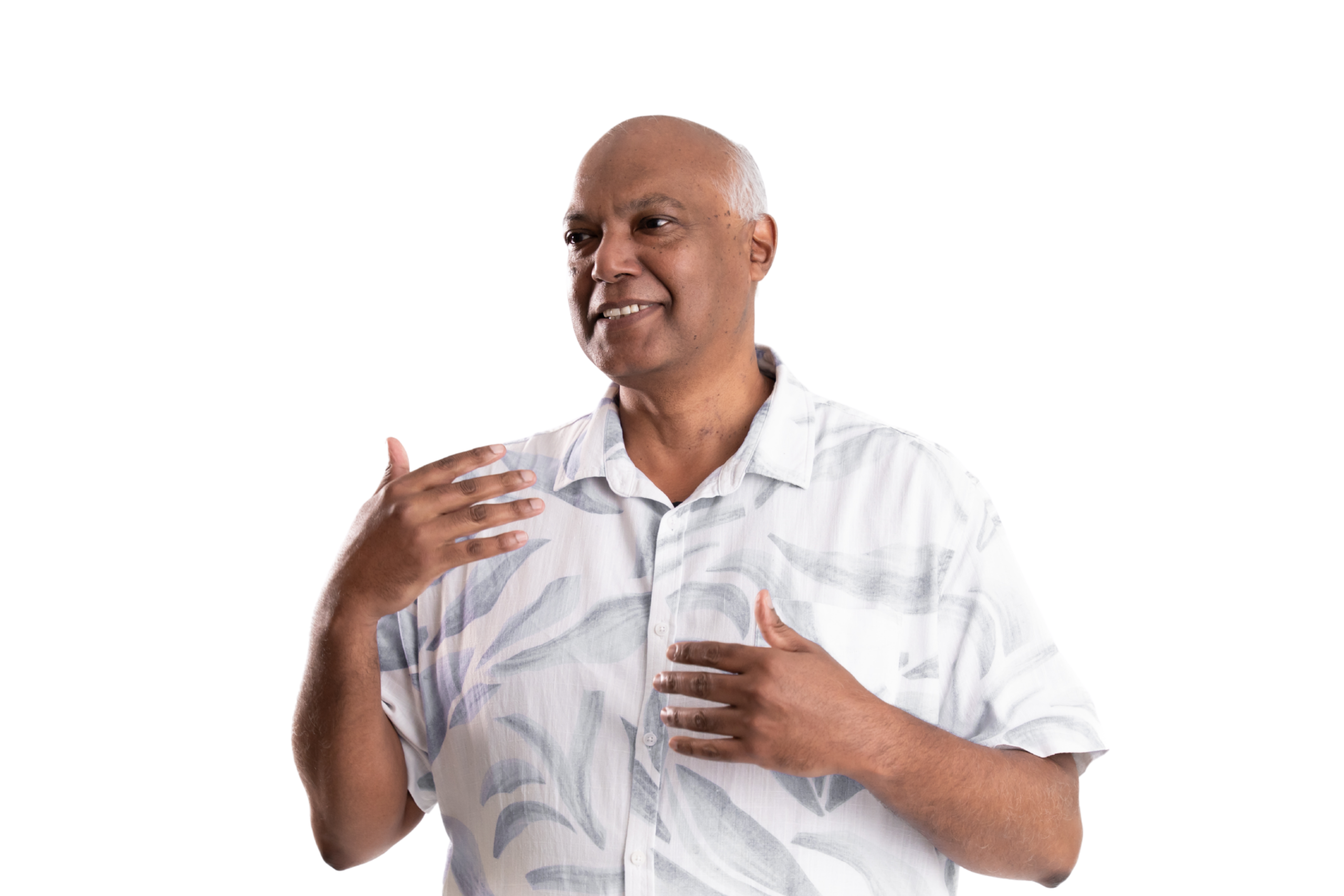
Being a Support Facilitator starts with listening
Angelo talks about listening deeply to the needs of families, then working alongside them to find practical ways forward.
“In this role, you meet people at different points in their lives. Some are finding their feet. Others are carrying more than most.
Often, there’s someone at the centre of it all, a child or loved one with a disability whose needs shape everything. For some families, supporting a disabled loved one brings a level of responsibility that doesn’t ease. Days are structured around care and time becomes scarce. There’s less space for work, for other children, for rest.
Over time, that pressure builds. There’s a constant undercurrent of worry, thinking ahead, planning for what might happen, staying alert to what could go wrong. The everyday vigilance can be exhausting, and it doesn’t easily switch off.
That’s why listening matters so much in this role.
As a Support Facilitator, people aren’t looking for someone to rush in with assumptions or ready-made answers. Often, they need someone who can genuinely hear what life feels like for them, what’s working, what’s not, and what matters most to them and their whānau.
Good listening creates trust. It helps people feel seen, understood, and less alone.
Sometimes people have spent years explaining themselves to systems that haven’t really heard them. Taking the time to listen carefully and understand their reality can be just as important as the support itself.
When we talk through the kinds of supports that could help people live their best lives, simply hearing what’s possible can be life changing. It means things might finally begin to shift, and over time, they do.
There’s space to take a break. Time to reconnect with other family members. Opportunities to step back into work, or to engage more fully in the world around them. Small changes, but ones that reshape daily life.
Because this work isn’t just about services. It’s about people being able to live their lives in a way that works for them.
When someone’s in a hole, it doesn’t help to have people calling advice from above. What helps is someone climbing down beside them, listening first, understanding where they are, and helping them navigate an empowering solution together. That’s what we try to do.”
Angelo, Support Facilitator